Jean’s Blog – World Menopause Day
 Sunday 18th October marks World Menopause Day. Menopause is the biological stage of life in which menstruation stops permanently, following several years of hormonal fluctuations and menstrual irregularity known as perimenopause. Menopause typically occurs between 45 and 55 years old and includes physical, cognitive and emotional symptoms. But the experience of menopause and its symptoms is unique for each person.
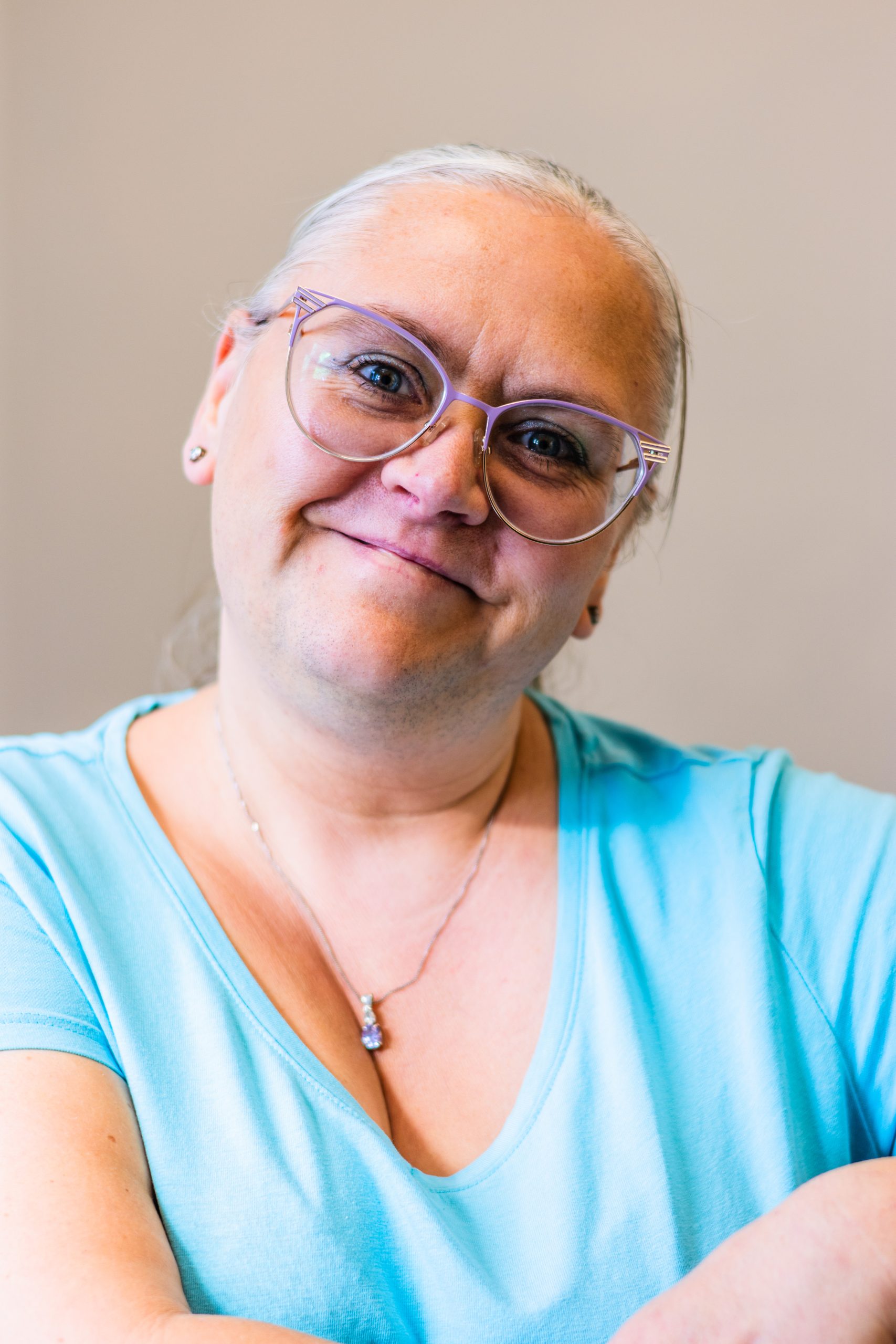
World Menopause Day was introduced by the International Menopause Society in 2009 to raise awareness and knowledge, and highlight the lived experience of millions of people around the world. This World Menopause Day, Purchasing Officer Jean discusses her experience of perimenopause to highlight what the early symptoms can be, the importance of approaching your doctor if you think you are perimenopausal, and how you can support someone who is experiencing the menopause. “I’m sharing my story in the hope it helps even one person to feel seen and understood,” Jean explains.
“Menopause will affect half of the population – every menstruating person will experience it. Despite that, it’s still such a confusing and isolating experience. Do we all really know the difference between perimenopause and menopause? Did you know that you still get your periods during perimenopause? There are so many misconceptions about when menopause begins and how it feels to experience it, which helps no one. People don’t know what to expect, or if what they’re experiencing is normal.
I’ve recently been diagnosed with perimenopause and it’s been quite a journey for me. When I first started experiencing symptoms of perimenopause, I really thought it was something else. I have a lifelong heart condition, type two diabetes, anaemia and polyendocrine metabolic ovarian syndrome (PMOS, previously known as PCOS), all of which present symptoms that can be mistaken with those of perimenopause. Particularly with PMOS, there are so many hormonal fluctuations throughout your life that impact your energy levels and menstrual cycle, which is always irregular to say the least. So these things all particularly interfere with getting an early perimenopause diagnosis. But for me, the exhaustion, low mood and brain fog really alarmed me, because that’s simply not who I am. I felt really out of sorts because I suddenly had a short attention span, was very irritable, but most of all, I was angry. At some points, I thought my head was going to explode.
I’m such a sociable people person who loves to spread kindness and be around others. But all of a sudden, I was finding myself getting angry and frustrated and wanting to be on my own. I didn’t feel like myself at all. One day I walked into work and had only been in the office a few minutes when I started to feel really affected by my symptoms. Luckily, I could talk to my manager about it and I ended up telling her “I need to go home, I can’t be here.” She understood completely and I took a little bit of time off work to rest and get a doctor’s appointment and blood tests. It did me the world of good and was a real reset to focus on myself. Fortunately, my doctor’s surgery was very attentive and sensitive to my symptoms and feelings. They diagnosed me with perimenopause and also offered me a one-hour menopause session, to help me get a better understanding of what I was experiencing.
I’m 46 now, and it’s taken years to get my perimenopause diagnosis and treatment. Part of that is me not recognising the symptoms in myself because of worrying it was my other health conditions, and part is the medical system that makes it so difficult for people to feel heard and understood when they’re vulnerable. After that consultation, I got my diagnosis pretty fast. I pushed to talk to a real person face-to-face, not on an automated phone call or through text. Even once you get that appointment, you can be faced with so much jargon about oestrogen and progesterone that we don’t fully understand, so it can feel even more confusing. Especially when so much of the medication for perimenopause relies on a 35 day cycle –what if you have irregular menstrual cycles or none at all?
With my heart condition, there is a high risk of blood clotting, so I am limited to which medications I can take to treat my menopause symptoms. I am however in the early stages of using an HRT gel and it seems to be helping. But I also think the most helpful thing has been talking to people about it – like I said, I’m a people person!
For anyone who is currently experiencing perimenopause symptoms or is concerned about how they’re feeling: persevere and get the help you need. It might take a few appointments and you might have to fight your case to feel heard, but you owe it to yourself.
We’re lucky to work in a company where there are so many good, caring people to talk to. We care about each other. I hope people know that they can always talk to me too. Keep persevering and talk about your experience with people you trust – it really does the world of good. If you’re feeling more off than usual, just contact your doctor and have a check-up. Don’t put it off and let yourself wonder if it’s something else. It is a natural process that happens and you can get support to help you through it. It’s not just all in your head. I thought I was losing all sense of who I am at one point, but with my HRT medication and the understanding I now have of what I’m going through, I am slowly starting to feel myself again.”
Creative Support has a Menopause Policy to support staff to openly and honestly discuss how they may be affected by menopause. All staff can speak to their manager or our HR team to discuss any concerns and explore making adjustments to their work routine, including additional rest breaks, temporary reduction in hours, and flexible working hours.
You can read our full Menopause Policy in the Staff Area of our website.
You can also explore NHS information on help and support for the menopause here.