World Hijab Day
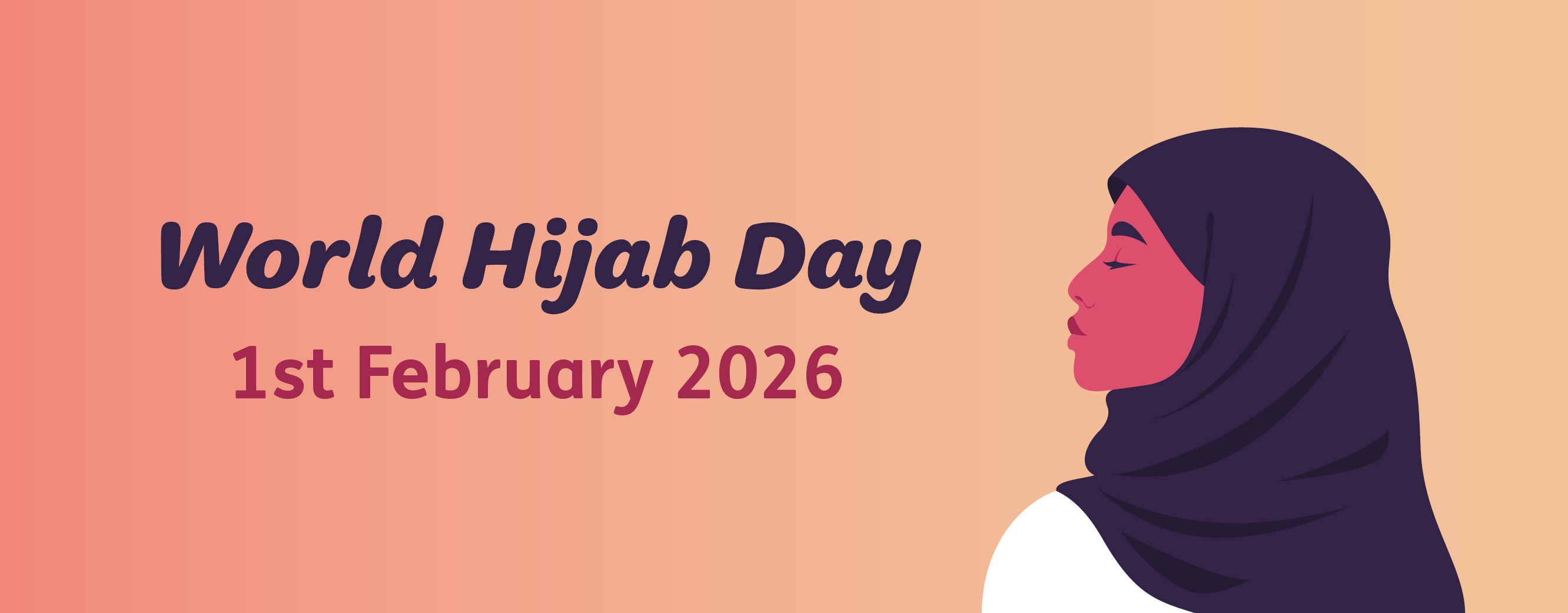
The first World Hijab Day took place on February 1st 2013, and was established by Bangladeshi-New Yorker Nazma Khan. She wanted to celebrate the hijab and said she came up with the idea: “as a means to foster personal freedom of religious expression and cultural understanding by inviting women from all walks of life to experience the hijab.” Now, 13 years later, it is estimated that people in over 150 countries take part in World Hijab Day every year.
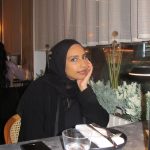
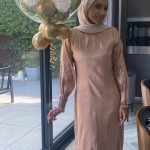
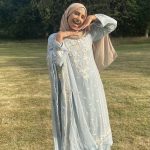
This year, to mark the occasion, we have spoken with Business Support Officer Umayyah Khan about what wearing a hijab means to her, how she feels about World Hijab Day, and the difference a supportive work environment can make.
__
I started wearing a hijab more frequently when I was 10 years old. My mum had only started wearing a scarf a year or so before I was born, which meant that growing up I would see my mum wearing her hijab and think she was the most beautiful woman on the planet. I wanted to look like her and be like her, and so when I told my parents I wanted to start wearing a hijab they were incredibly supportive. I didn’t start wearing it all the time back then, and compare it to children trying on their mum’s much bigger heels for fun and to feel grown up. I would borrow my mum’s hijabs and feel so good in them, and then it came time for me to start choosing my own. We would go shopping and I would pick from the vast range that they had available in all their different colours and fabrics. Once my mum picked up a purple scarf and said, ‘oh my gosh that would go so well with your purple spotty dress!’ and I got so excited at the thought of wearing them together.
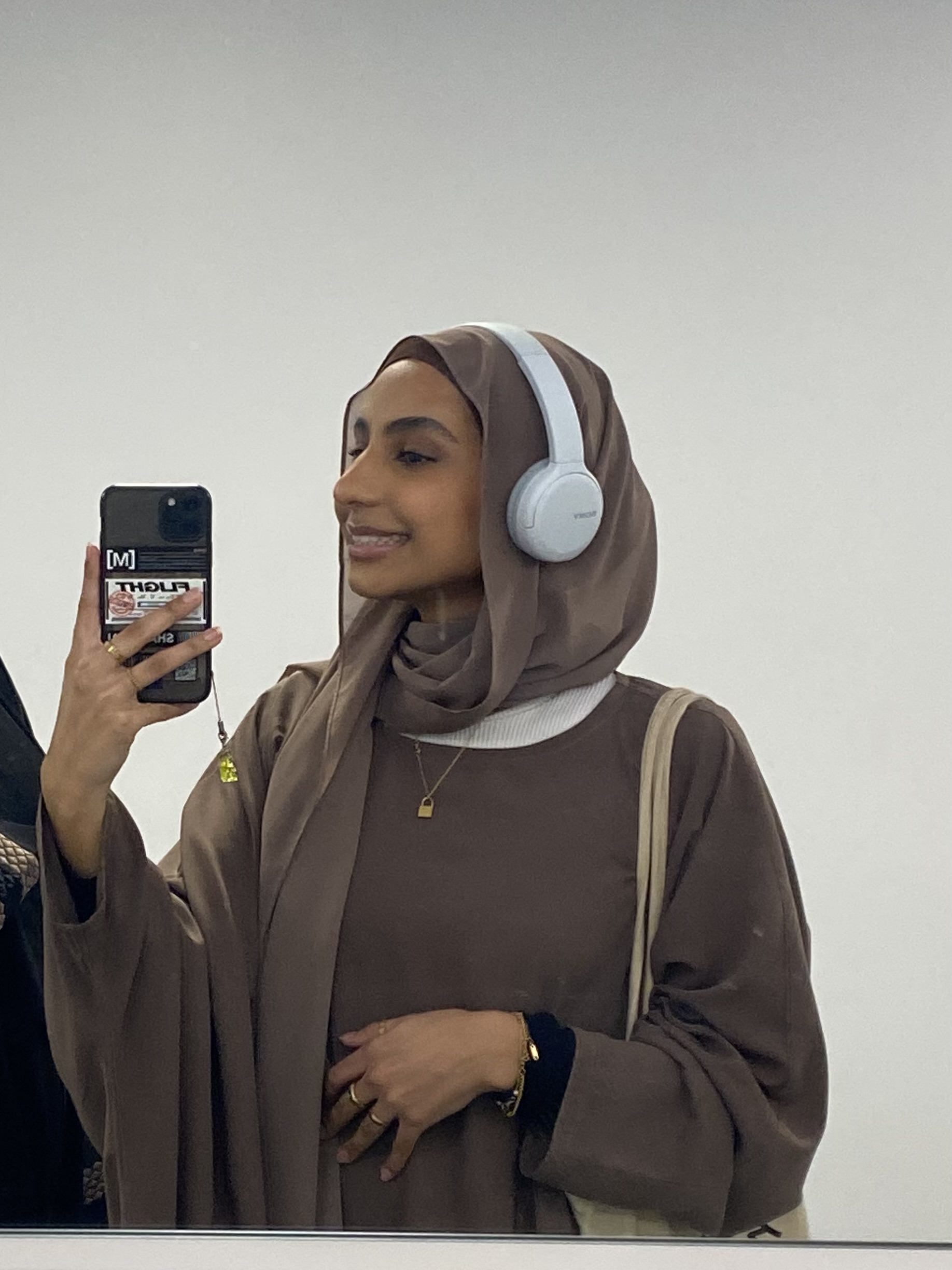
The hijab is mentioned in the Quran, and actually means ‘barrier’ in Arabic. It goes beyond simply wearing a scarf; it means modesty, how you speak, and how you act. Something people might not know is that hijab doesn’t just relate to women but also to men, and gives guidance on how to hold themselves and how to dress. A hijab for all Muslims is how you display yourself to the world and are perceived.
When I was growing up I was aware of World Hijab Day. I went to a Muslim girl’s school, and every day we’d just wear our standard navy blue scarf which was part of our uniform, but on World Hijab Day, people would choose to wear bright colours or hijabs with embellishments like gems. I remember one girl who was creative and could sew, she had sewed multiple scarves together and layered them on top so you could see all of their colours. It was amazing coming to school and seeing everyone be so bold and bright in their hijabs. It brought attention to wearing a hijab, and made us realise that we had this in common and it could be something fun.
On World Hijab Day, people are encouraged to wear a hijab and experience it for yourselves. I think it would be fun to see people try on hijabs and have that opportunity, so that people are experiencing it first-hand rather than asking people to live in our shoes. I love to see people in interviews on social media for World Hijab Day try on a scarf and feel beautiful. They’re always like ‘I look so good’ and that’s really cool.
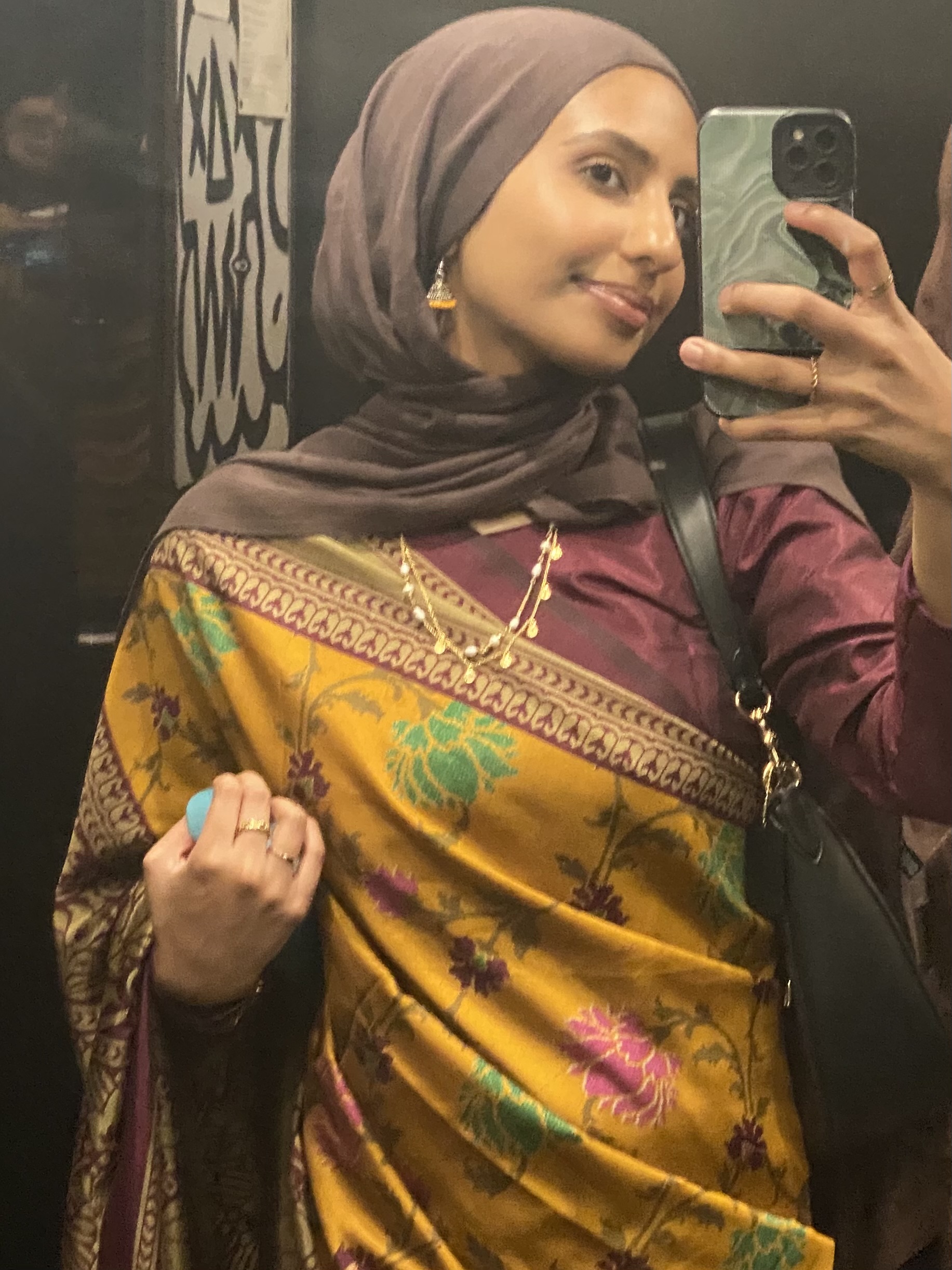 I think people are curious about wearing a hijab and how it would feel, but when else are people encouraged to try one on? One thing I think people don’t realise however is that I might not have bad hair days, but I can have bad scarf days! One top trick is to take your straighteners and run them along the edge of your hijab so it sits nicely- that can turn a bad hijab day into a good one!
When I joined Creative Support, it was my first office job and I was a little wary about how people would react to me wearing a hijab. I didn’t know how many people of colour worked here and how I would be perceived. What made me feel welcome from the get go was people asking me questions. People are naturally curious, and some may not want to acknowledge the scarf out of fear of offending or upsetting someone, but talking about it and answering questions really made me feel seen. People are also lovely and I’ve had lots of compliments from people about my different scarves, and I feel so seen and that my religion has been acknowledged.
The Halo Code Creative Support have adopted is amazing. Supporting people to wear protective hairstyles or head coverings isn’t something that most organisations think about, but it makes such a big difference that people don’t see. A company having a code like this opens doors. It shows that they are going to be accepting, that people can understand, and that I have advocates here. It’s sad but the Halo Code is really ahead of its time. People are scared of what they don’t understand, but things like World Hijab Day can help break down barriers and encourage people to learn and not be ashamed.