Non-Binary People’s Day
The LGBTQ+ Network have created an insightful piece for Non-Binary People’s Day during Non-Binary Awareness Week (13th-19th July). This article celebrates non-binary identity and looks at some influential non-binary and gender non-conforming figures throughout history.
The 14th July marks Non-Binary People’s Day. This is a time to reflect on the experiences of non-binary and gender non-conforming people, and promote inclusive ways to support the community.
‘Non-binary’ is a term that some people use to describe their gender. It typically refers to someone who does not feel aligned to either traditional male or female roles. Non-binary people may choose to use pronouns which do not assign them to a specific gender (i.e. they/them), or use binary pronouns (she/her, he/him), or a combination (he/they, she/they).
There is no one way to ‘look non-binary’ and you can’t tell what everyone’s gender identity is just by looking at them. Everyone in the world has a gender identity, whether they are male, female, trans, non-binary, genderqueer, etc. It is up to you how you want to express yourself because your gender identity is personal to you.
Non-binary and gender non-conforming identity has been around as long as humans have. For generations, people have passed down knowledge of gender constructs and these have looked different across various societies (e.g. being ‘two-spirited’ which is a broad term used exclusively amongst Indigenous and Native communities to describe valued social functions for individuals who are gender-varying). It’s clear that when it comes to people connecting with themselves and one another, there has never been a ‘one size fits all’.
To celebrate Non-Binary Awareness Day, here are some non-binary and gender non-conforming individuals who have challenged perceptions around gender:
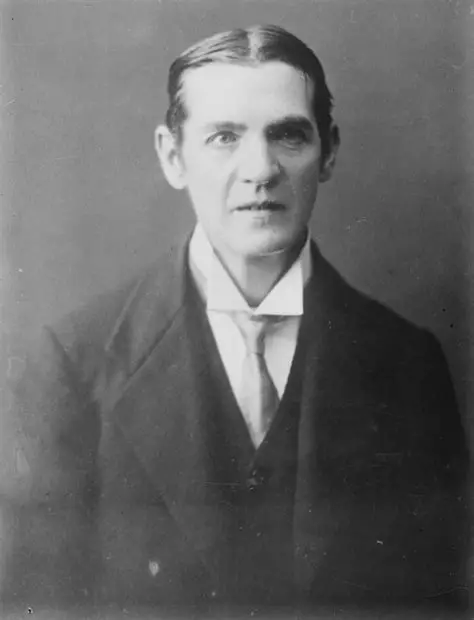
Thomas Baty (1869-1954) was a British international lawyer, legal scholar, advocate, and feminist. They supported a post-gender movement and, using the name Irene Clyde, published ‘Beatrice the Sixteenth’, a utopian novel about a genderless society. Baty also founded the feminist journal Urania which campaigned for women’s rights and gender non-conformity.
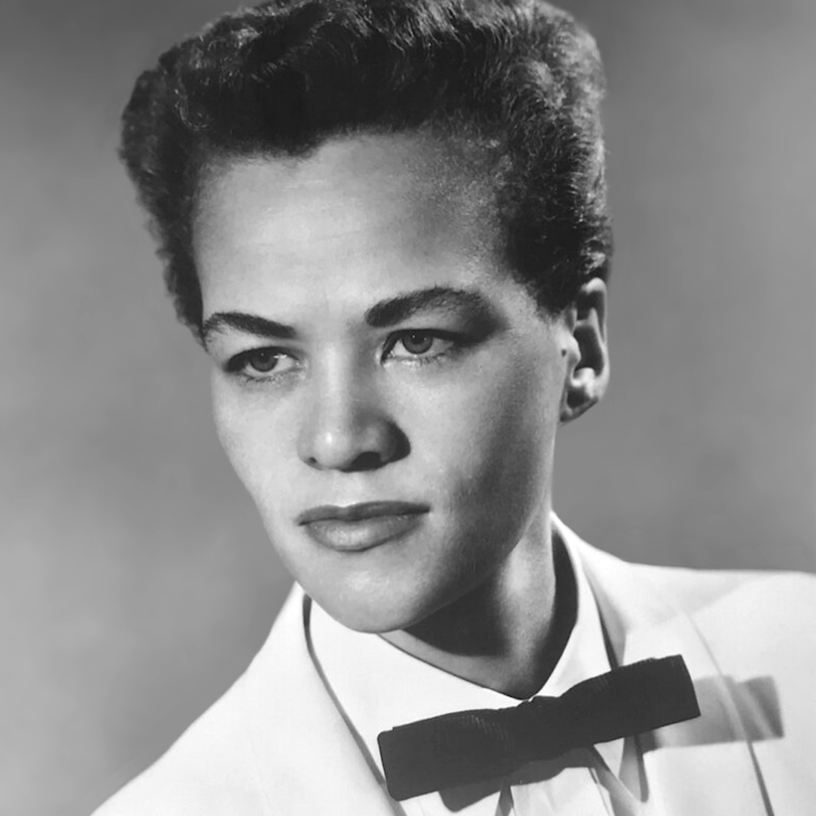
Stormé DeLarverie (1920-2014) was an American Drag King performer and activist who was part of the Stonewall Riot in 1969. DeLarverie lived their life as an openly butch lesbian. DeLarverie did not express a specific gender identity but encouraged people to use multiple sets of pronouns throughout their life.
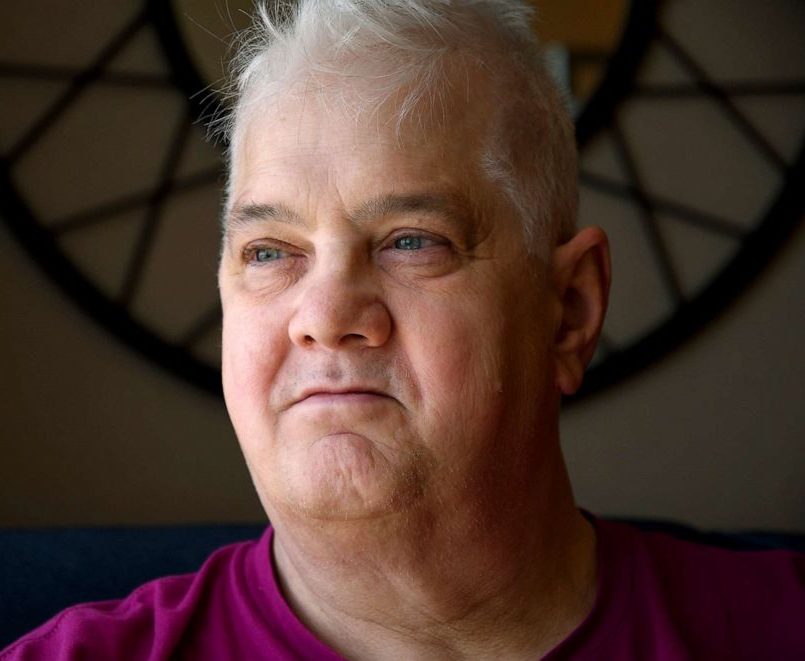
Dana Zzyym (1958-present) is an American-born intersex and non-binary activist who, after 6 long years of campaigning, became the first U.S citizen to have their official passport marked as ‘X’ sex/gender. They continue to campaign for non-binary recognition and advocacy for intersex individuals.
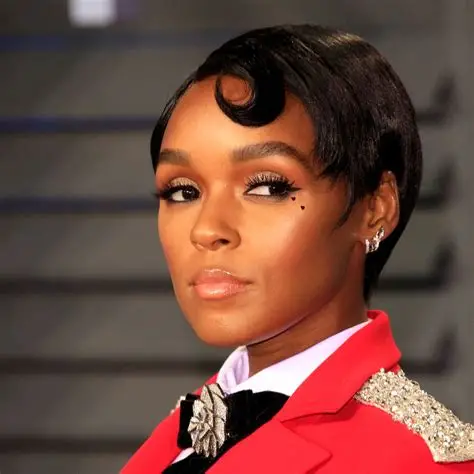
Janelle Monae (1985-present) is an iconic singer-songwriter and champion for LGBTQ+ rights, gender equity and racial justice. As a non-binary, pansexual person, Monae has used their platform to increase visibility for queer people. They also founded ‘Fem for Future’, a not-for-profit organisation which provides under-resourced girls and non-binary black youth with opportunities in education and the arts.
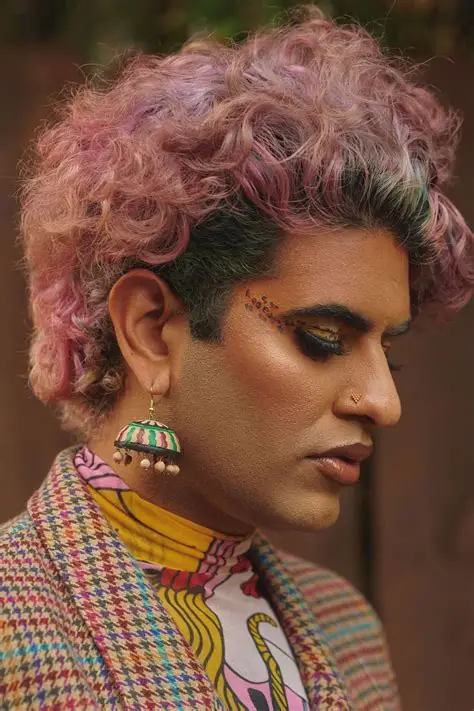
Alok Vaid-Menon (1991-present) is an influential American writer, performance artist, comedian and activist. Their creative work and public engagement often discuss key themes around gender non-conformity, inclusivity, queer experience within the South-Asian community, and the ongoing violence faced against trans and gender non-conforming people.
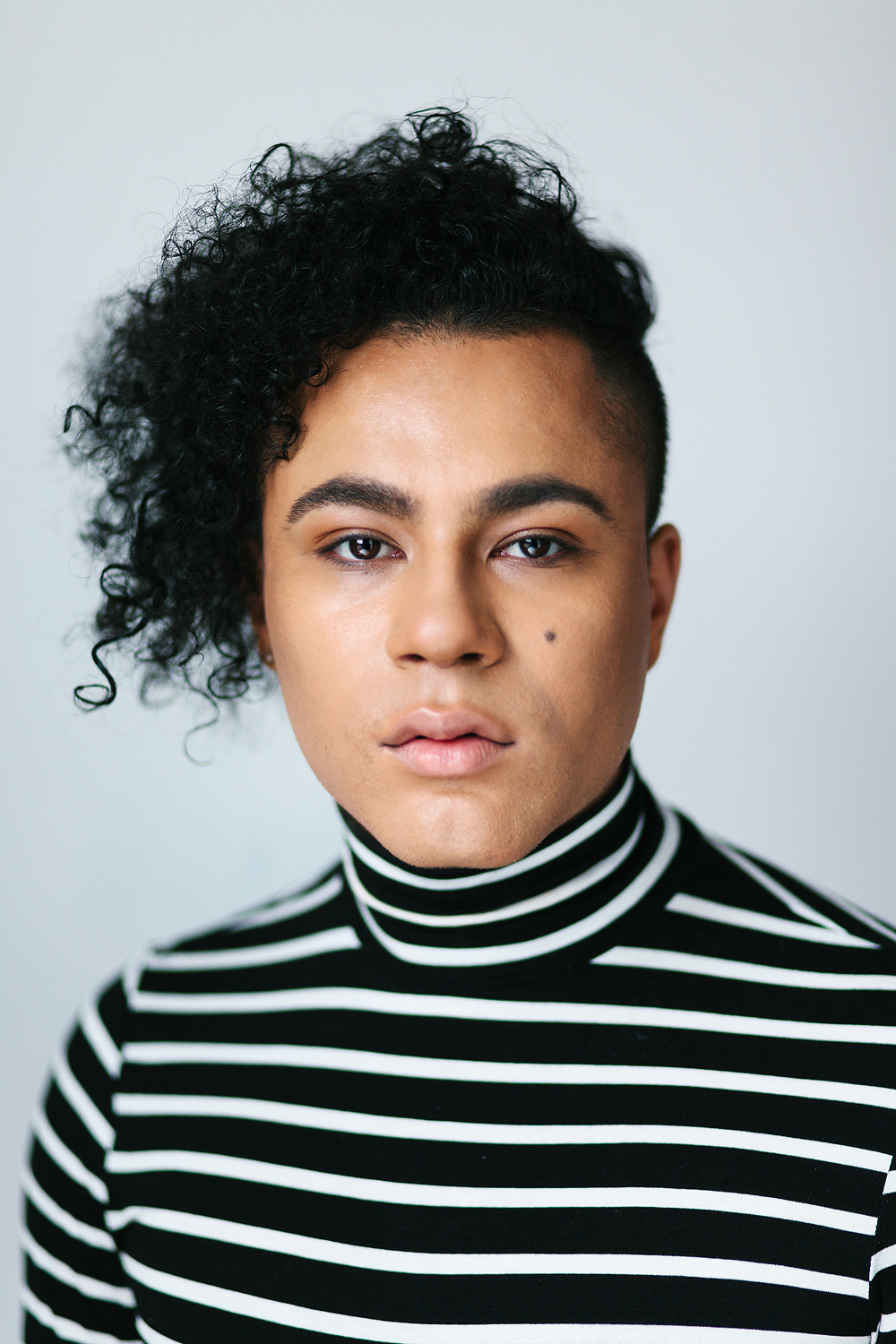
Travis Alabanza (1996-present) is a British performance artist, poet, writer and activist. They grew up in the South West of England in a working-class household. Travis uses their creative mediums to discuss topics around the intersectionality of race, gender, class and queer identity.
If you would like to learn more about our LGBTQ+ Network and what we do, please email LGBTQ.Network@creativesupport.co.uk. We welcome anyone to attend our meetings, which typically take place once a month, in person at Head Office, or via Zoom.