The EDI Team’s Blog – Reflections on the BAFTAs 2026
At the 2026 British Academy Film Awards (BAFTAs) held in February, a racial slur was heard from the audience whilst two Black men, actors Michael B Jordan and Delroy Lindo, stood on stage to present an award. The slur was shouted as an involuntary tic by a guest, John Davidson, who was attending as the subject of the film ‘I Swear’ which covers his experience of living with Tourette’s syndrome.
Despite not being broadcast live and other tics being removed, the ceremony aired on the BBC without editing out the slur. It remained accessible on BBC iPlayer for hours after.
The discourse that followed from all sides has been distressing, showing evident racism, ableism, vitriol and painful ignorance, which is exhausting for those yet again on the receiving end.
Tics are involuntary. They do not in any way reflect the person’s thoughts, views or values. People living with Tourette’s often experience great distress as a result of their tics, and acceptance is already hard fought. In this instance however, irrespective of whether the slur was meant, the pain, shock, disrespect, anger and loss of safety felt by those men in that moment, and for many Black people watching, still existed.
If we are to take any learning from this, it must be the understanding that intention doesn’t remove the impact of racism. John had no ill-intent, and there should be no blame towards him, but the slur still had an impact and caused distress.
The incident has also highlighted how significantly the response can add to or lessen the harm caused, and questions must be asked of the BBC and the decisions made. John was seated next to a microphone, despite requesting not to be, and all those involved have acknowledged that no one intervened or offered support.
Whilst the BBC has since acknowledged the serious mistake and apologised for broadcasting the slur, this part of the BAFTAs has overshadowed the awards themselves, including what should have been some monumental moments for people of colour and other marginalised voices.
Organisations have a responsibility to safeguard everyone, and all party’s experiences in this instance should have been acknowledged and supported. At Creative Support, we recognise that there may be instances where people we support use racist language or behaviour without intention. We are committed to supporting them in whatever way possible and offering opportunities to learn where appropriate, ensuring everyone’s right to inclusion, to be present and visible. We also acknowledge that the unintentional use of racism can still impact people deeply, especially staff of colour. We have robust protective measures and support in place for any staff who may experience racism at work, and ensure managers in services are empowered to lead with knowledge and compassion.
We take our responsibility towards anti-racism seriously, and you can read more about our commitment to this in our Anti-Racism policy.
We hope that all institutions reflect and take learning from this event and that positive action is seen as a result. To reclaim the evening, we also wanted to end in celebrating the huge successes and achievements of the BAFTA winners and nominees which should have been the highlight. Some of our stand-out moments included:
- This Is Endometriosis won the BAFTA for Best British Short Film, a documentary about the reality of the condition affecting one in ten women and those assigned female at birth.
- Robert Aramayo won Best Leading Actor for his role in I Swear, a biographical drama telling the story of Scottish activist John Davidson and his life with Tourette’s syndrome.
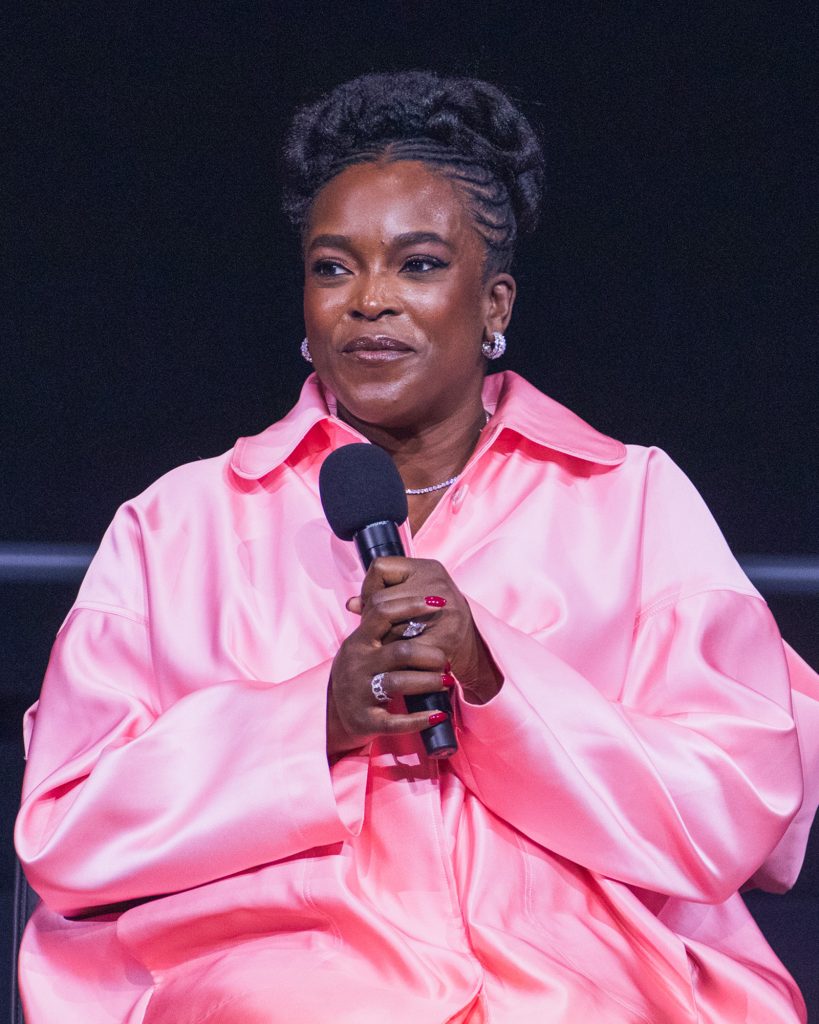
- Wunmi Mosaku won Best Supporting Actress for her role in Sinners.